
Khan Academy Kids: Gentle Learning for Corona's Younger Students |
Free early reading activities, foundational math and parent-guided practice for children near age seven |
Start with the right age group.
Khan Academy Kids is designed mainly for children ages two through eight.
That makes it a particularly useful option for seven-year-olds and some eight-year-olds, rather than a full solution for every child ages seven through twelve.
Corona families with older students should consider the main Khan Academy platform or other grade-appropriate resources.
Matching an activity to a child's current skill matters more than choosing a program based on its bright colors or familiar name.
A welcoming introduction to reading.
For early readers, the app includes activities that support letters, sounds, vocabulary, and comprehension.
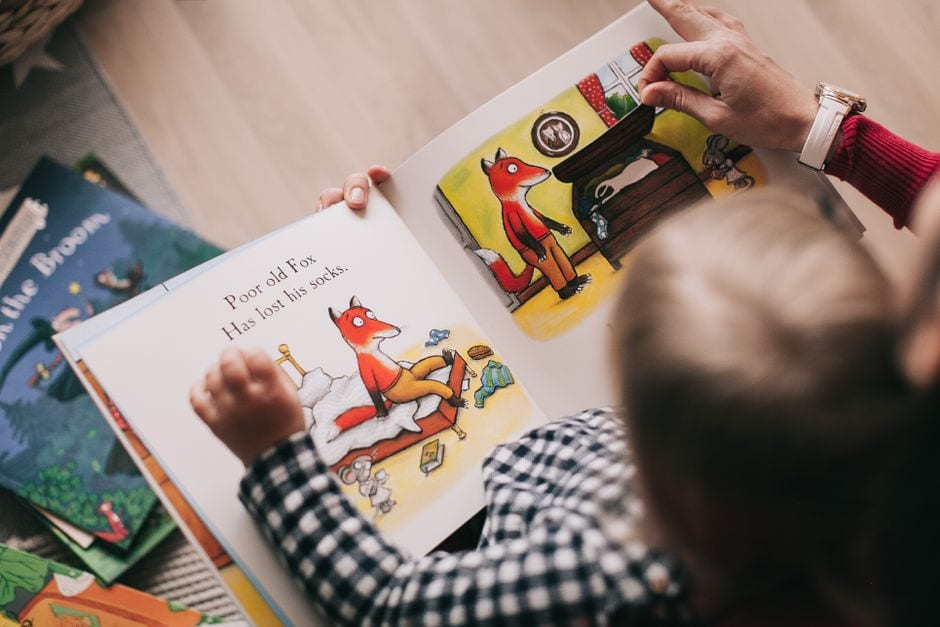
A caregiver can sit beside a child and listen as they identify words or follow a story.
When a child hesitates, give them time to sound out a word rather than supplying the answer immediately.
Small moments of success help children associate reading with discovery.
A story about animals or everyday adventures can become a conversation about feelings, choices, and new vocabulary.
Practice without pressure.
Some children arrive home excited to learn, while others need a quiet transition after school.
A short session can be more productive than a long one.
Try ten to fifteen minutes, then put the screen aside and practice the same skill with paper, crayons, letter cards, or a favorite book.
For example, a child who practices counting online might count apples during snack time.
Moving between digital and hands-on learning helps reinforce ideas in ordinary family life.
Foundational math through everyday moments.
Young learners benefit from understanding what numbers represent, not only memorizing answers.
Parents can reinforce counting, comparing quantities, patterns, shapes, and simple arithmetic with familiar objects.
Ask how many blocks remain after two are removed, or invite a child to sort socks by size and color.
These gentle exercises can make an abstract skill feel real.
If a child finds an activity too easy, move forward gradually; if it feels too difficult, revisit a simpler concept.
What makes the app appealing to families.
Khan Academy Kids is offered free and is designed without advertisements or in-app purchases.
Those features remove two common distractions for parents choosing a digital activity.
Still, adults should review the app, device settings, and privacy information before a child begins.
A free app is not automatically the right learning tool for every student.
Look for activities that support genuine skill-building and a comfortable pace, and avoid using screen time as the only measure of progress.
Create a reading ritual at home.
One of the strongest additions to any digital learning routine is a daily shared reading moment.
Invite the child to choose a picture book or early chapter book and take turns reading pages.
Ask open-ended questions, such as what might happen next or why a character felt disappointed.
Praise thoughtful answers, even when they differ from your interpretation.
These conversations develop vocabulary, listening, and confidence while reminding children that stories are meant to be enjoyed together.
Watch for signs that a child needs more support.
If reading continues to feel unusually hard, a teacher can help identify whether the challenge involves letter sounds, fluency, vocabulary, comprehension, or something else.
Some children benefit from specialized instruction or a formal evaluation.
An educational app can reinforce teaching but cannot diagnose a learning difficulty.
Families should feel comfortable asking questions early.
Support is most useful when it responds to the child's actual needs rather than a generic expectation about age or grade.
Keep the experience warm and personal.
The most important part of an after-school routine is the relationship around it.
A child who hears a patient voice and receives encouragement is more likely to approach the next challenge with curiosity.
Corona Shoutouts hopes families see educational technology as a helpful tool, not a replacement for teachers, caregivers, books, play, or conversation.
Even a few peaceful minutes spent learning together can become a bright spot in the day. |
0 Comments
Join the conversation
Be the first to comment
Share your thoughts above.