
PBS KIDS Learning Games for Corona Families After School |
Playful science, math and problem-solving activities with practical online safety habits |
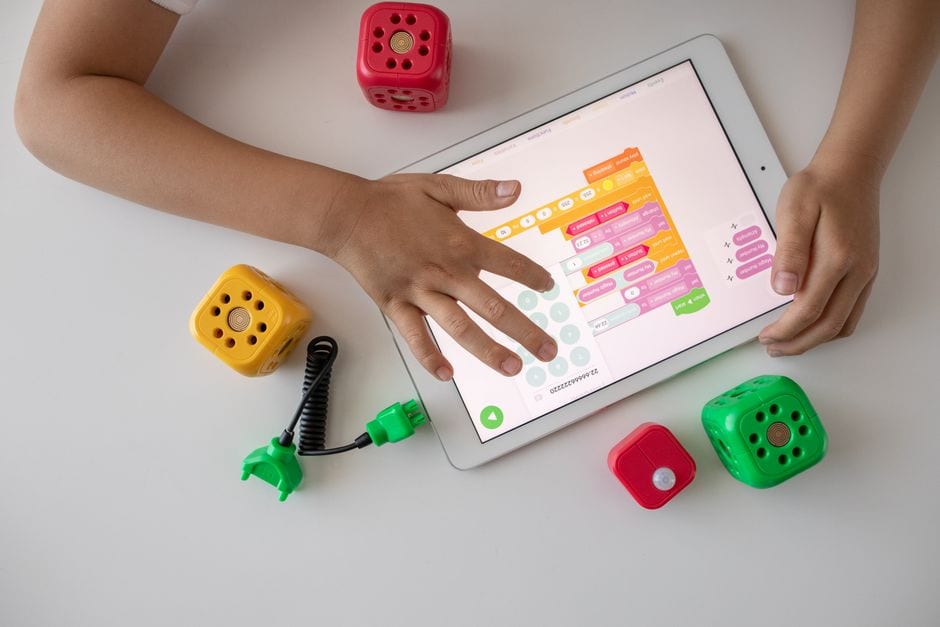
Learning can feel like play.
After a full day in the classroom, children often need something different from another worksheet.
PBS KIDS offers educational games and activities that can help younger children explore math, science, reading, and problem-solving through play.
For Corona families with children ages seven through twelve, the strongest fit is usually the younger part of that range.
Older children may enjoy selected activities, but they will often need more challenging material elsewhere.
Choose games with a purpose.
Before handing over a device, decide which skill you hope to strengthen.
A child working on number sense may benefit from counting or pattern games, while another child may enjoy activities about animals, nature, or simple engineering.
Browse the available topics together and select a specific activity.
This keeps an after-school session from becoming aimless screen time.
Ask the child what the game is teaching, and notice whether they can explain the idea outside the game.
Turn science curiosity into discovery.
A science game can be the beginning of a wonderful family conversation.
After an activity about habitats, take a walk and notice birds, insects, or plants in the neighborhood.
Following a game about weather, invite the child to describe the clouds or keep a simple observation journal.
Children learn that science is not confined to a screen or textbook.
It is a way of asking questions about the world and looking carefully for answers.
Build problem-solving confidence.
Good learning activities encourage children to experiment, observe results, and revise their approach.
When a child makes a mistake, resist the urge to take over.
Ask what they noticed and what they might try next.
This kind of supportive questioning helps develop persistence.
Some games may reward quick answers, but real understanding often grows slowly.
A calm adult can help a child see that a difficult puzzle is an invitation to think rather than a reason to feel discouraged.
Keep games age appropriate.
Children between seven and twelve vary widely in reading ability, attention, interests, and school experience.
A seven-year-old may love a character-based counting game that a twelve-year-old finds too simple.
Invite older children to explore grade-appropriate math practice, books, coding, or library learning resources instead of insisting on a younger program.
Children also benefit from non-digital activities such as drawing, building, sports, and imaginative play.
Variety helps keep learning enjoyable.
Use simple digital safety rules.
A caregiver should choose the official educational service, review device permissions, and supervise younger users.
Teach children not to share their name, address, school, photographs, or passwords in unfamiliar online spaces.
Explain that they should tell a trusted adult if a screen asks for personal information or shows something uncomfortable.
Use family device controls when appropriate, and keep screens in a shared space.
Online safety is an ongoing conversation, not a single setting that solves everything.
A balanced afternoon plan.
Try a short break after school, followed by ten to twenty minutes of a chosen educational game.
Next, ask one or two questions about what the child discovered.
If the game involved shapes, build a shape collage with paper.
If it involved storytelling, invite the child to invent a new ending.
Finish with outdoor play, a book, or family time.
This rhythm makes the digital activity one part of a richer afternoon rather than the entire afternoon.
Share the joy of discovery.
The greatest reward may be the moment a child proudly explains something new.
Corona Shoutouts encourages parents, grandparents, and caregivers to celebrate those moments without comparing one child to another.
A young learner who feels safe asking questions is developing a skill that lasts far beyond elementary school.
Educational games work best when paired with patience, conversation, and the reassurance that curiosity is always welcome. |
0 Comments
Join the conversation
Be the first to comment
Share your thoughts above.